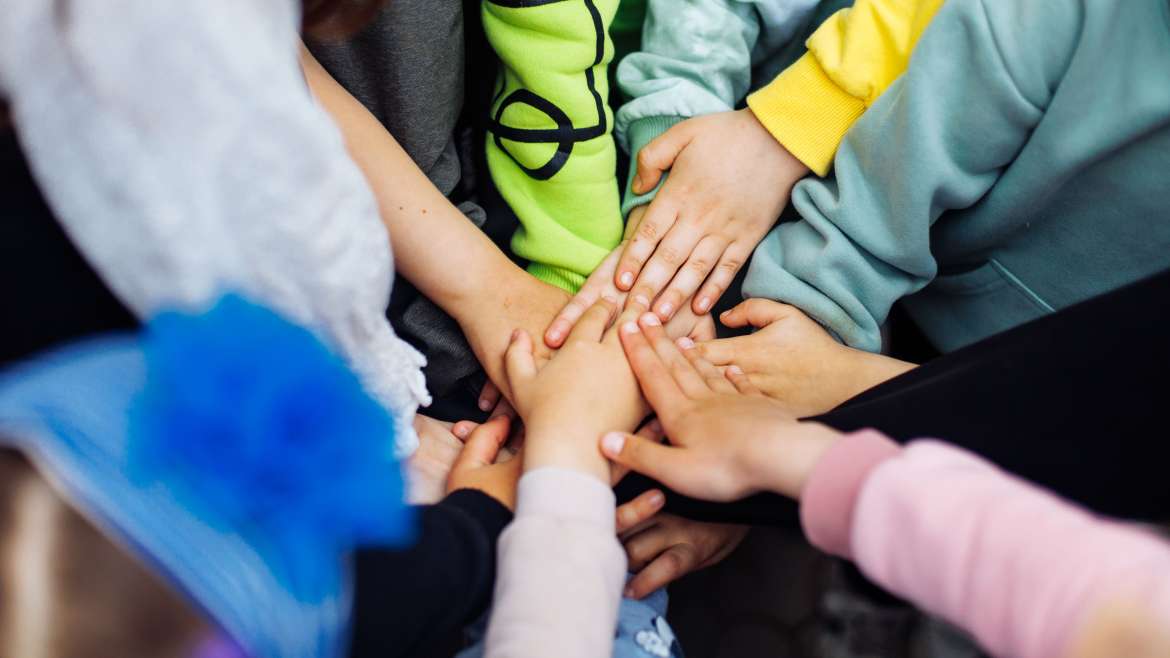
Strong teamwork is one of the most important foundations of a successful workplace. When employees communicate clearly, trust one another, and collaborate effectively, productivity and morale naturally improve. However, building that level of connection does not happen automatically. It requires intentional effort, shared experiences, and opportunities for employees to engage outside of daily tasks.
Team building games offer a structured yet enjoyable way to strengthen relationships within a group. Whether used during corporate retreats, weekly meetings, or training sessions, these activities help break communication barriers and encourage creative thinking. They also provide a safe environment where team members can practice leadership, problem-solving, and cooperation skills.
The right team building game can transform workplace dynamics. It can improve trust, highlight individual strengths, and create a sense of unity. This guide explores a variety of team building games designed to boost collaboration, engagement, and team performance while keeping the atmosphere fun and motivating.
Icebreaker Games to Improve Communication
Icebreaker games are ideal for new teams or newly formed groups. They help participants feel comfortable and encourage open communication. Simple activities such as “Two Truths and a Lie” or short storytelling challenges allow team members to learn about each other in a relaxed setting.
These activities break down formal barriers and create a welcoming atmosphere. When employees understand personal backgrounds and interests, they are more likely to collaborate comfortably in professional tasks.
Icebreakers are frequently included in effective team building games for workplace collaboration because communication is the foundation of teamwork. Without clear communication, productivity suffers.
In a workplace engagement and leadership development guide, icebreakers are often recommended at the start of training programs or team transitions. They set a positive tone and encourage participation from the beginning.
Problem-Solving Challenges to Build Critical Thinking
Problem-solving games encourage teams to work together under pressure. Activities such as escape room simulations, puzzle-solving tasks, or limited-resource challenges require communication and strategic thinking.
For example, teams might be given a scenario where they must build a simple structure using limited materials within a time limit. This forces participants to delegate roles, share ideas, and make quick decisions.
These exercises are powerful examples of effective team building games for workplace collaboration, as they simulate real workplace challenges in a low-risk environment.
In a workplace engagement and leadership development guide, problem-solving activities are valued for revealing leadership qualities and decision-making strengths. They also highlight how well a team handles stress and conflict.
Trust-Building Activities for Stronger Relationships
Trust is essential for any successful team. Without it, communication weakens and collaboration becomes difficult. Trust-building games, such as guided partner exercises or collaborative obstacle tasks, help team members rely on one another.
Activities that require blindfolded navigation with verbal guidance, for example, emphasize listening skills and responsibility. These exercises demonstrate how trust and clear instructions impact outcomes.
Trust-focused activities are key components of effective team building games for workplace collaboration, as they strengthen confidence between coworkers.
According to a workplace engagement and leadership development guide, trust-building improves overall morale. Employees who trust each other are more likely to share ideas openly and take constructive risks.
Creative Collaboration Games to Encourage Innovation
Creativity is often underutilized in workplace settings. Games that involve brainstorming, storytelling, or collaborative design encourage teams to think outside the box.
One example is the “innovation challenge,” where teams must create a new product concept using random items. Another option is collaborative storytelling, where each member adds a sentence to build a shared narrative.
These games align well with effective team building games for workplace collaboration, as they foster innovation and teamwork simultaneously.
In a workplace engagement and leadership development guide, creative activities are highlighted for boosting problem-solving skills and helping teams adapt to change. Encouraging creativity strengthens flexibility and openness to new ideas.
Outdoor and Physical Team Activities
Outdoor team building games provide both physical movement and collaboration. Activities like relay challenges, scavenger hunts, or group sports encourage teamwork in a dynamic environment.
Physical activities often improve energy levels and morale. They also reveal natural leadership patterns and communication styles within the group.
Outdoor games are popular examples of effective team building games for workplace collaboration, especially during corporate retreats or annual gatherings.
In a workplace engagement and leadership development guide, physical team activities are recognized for reducing stress and strengthening bonds. Shared challenges outside the office create memorable experiences that positively influence workplace relationships.
Conclusion
Team building games are valuable tools for strengthening communication, trust, and collaboration within the workplace. From simple icebreakers and problem-solving challenges to creative brainstorming sessions and outdoor activities, each approach offers unique benefits. By incorporating effective team building games for workplace collaboration, organizations can create environments where employees feel connected, motivated, and engaged. At the same time, applying insights from a workplace engagement and leadership development guide ensures that these activities are purposeful rather than just recreational. When carefully selected and facilitated, team building games improve morale, reveal leadership potential, and enhance overall productivity. Strong teams are not built by chance—they are developed through intentional effort and shared experiences. With the right mix of fun and strategy, team building activities can transform workplace dynamics and create lasting professional relationships.